React Native's New Architecture eliminates the legacy asynchronous JSON serialization bridge by introducing the C++ JavaScript Interface (JSI), allowing the Hermes JS engine to hold direct memory references to C++/native Host Objects, execute synchronous layout reads via the Fabric renderer, and lazily load type-safe native APIs through Codegen-backed TurboModules.
For nearly a decade, critics of React Native pointed to a single architectural Achilles' heel: the asynchronous JSON bridge. Every time JavaScript needed to read a native sensor, measure a layout frame, or update a native view during a fast scroll gesture, messages had to be serialized into JSON strings, queued across an asynchronous thread boundary, and deserialized on the other side. With the New Architecture now standard in modern React Native and Expo releases, that bottleneck has been completely re-engineered from the ground up in C++.
1. The Bottleneck of the Legacy Asynchronous Bridge
Under the old architecture, the JavaScript thread and the Native UI thread were completely blind to each other's memory spaces. If a user scrolled a complex 60fps list that required synchronous header pinning or layout measurement, the async round-trip across the bridge caused a 1-to-2 frame delay—manifesting as visual 'jumpiness' where blank white cells briefly flashed before rendering.
Furthermore, every native module registered in the app had to be initialized eagerly on app startup, inflating cold-start Time-to-Interactive (TTI).
2. JSI (JavaScript Interface): Direct C++ Host Object Access
The cornerstone of the New Architecture is **JSI (JavaScript Interface)**—a lightweight, general-purpose C++ API layer embedded directly into the JavaScript engine (Hermes). With JSI, JavaScript can hold direct pointers to C++ `HostObject` instances and invoke methods on them synchronously without serializing a single byte of JSON.
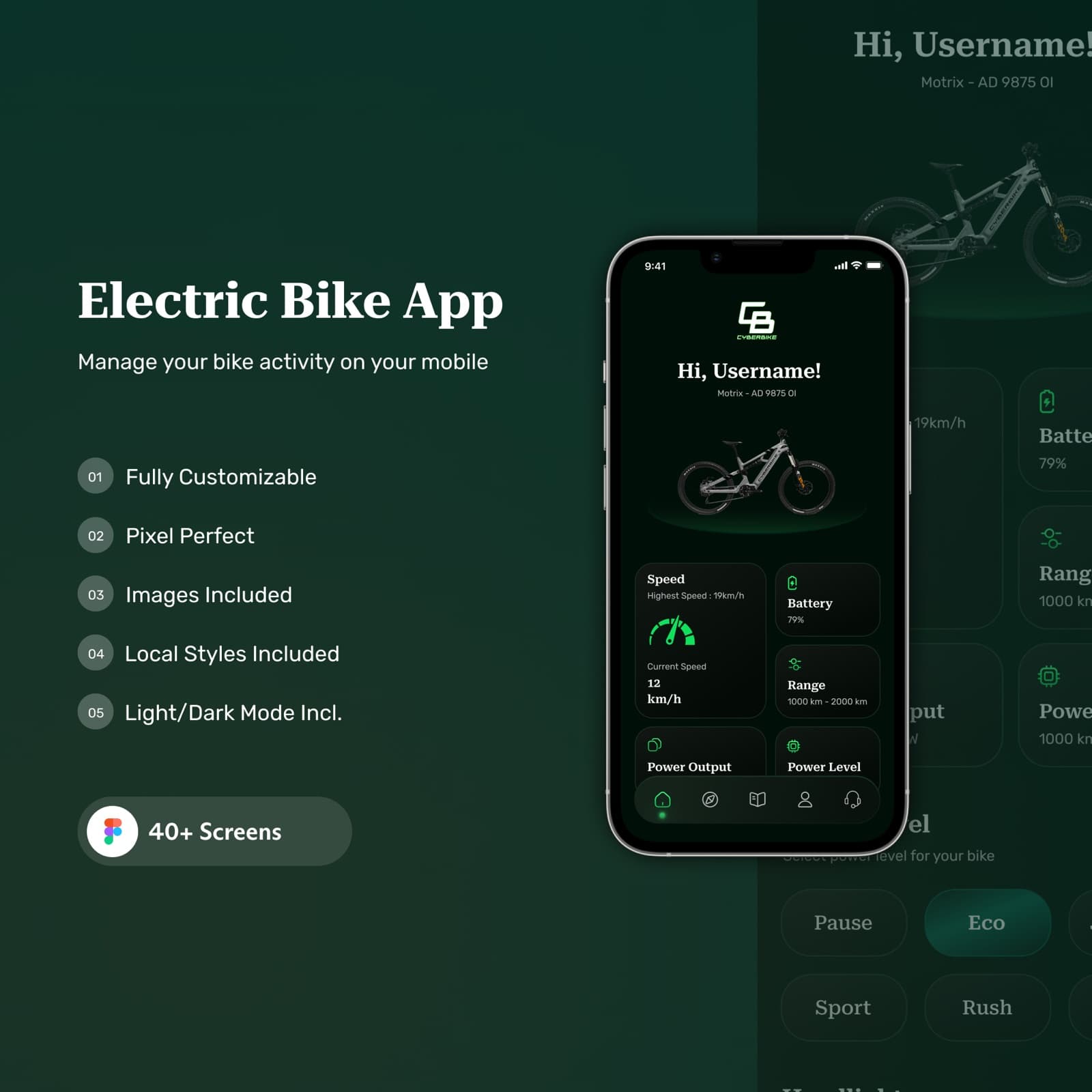
When we engineered high-frequency Bluetooth Low Energy (BLE) telemetry gauges for CyberBike and real-time audio waveform visualizers for SoundWave, JSI enabled shared `ArrayBuffer` memory access between native hardware callbacks and React components at 120Hz.
| Architectural Layer | Legacy Bridge Architecture | New Architecture (JSI + Fabric) | Measured Production Improvement |
|---|---|---|---|
| JS-to-Native Communication | Async JSON string serialization | Direct C++ JSI HostObject pointers | Zero serialization overhead; sync calls supported |
| Native Module Startup | Eager initialization of all modules | Lazy on-demand TurboModule loading | 30–45% faster cold-start Time-to-Interactive |
| UI Tree Rendering | Async Shadow Tree over Bridge | C++ Immutable Shadow Tree (Fabric) | Synchronous `useLayoutEffect` without frame jumps |
| Type Safety Boundary | Unchecked runtime dictionaries | Compile-time Codegen from TypeScript | Eliminates native-to-JS type mismatch crashes |
3. Fabric: Synchronous Layout & React 18 Concurrent Priority
Fabric is React Native's new rendering system. By moving the Shadow Tree into shared C++ memory managed by Yoga, both the JavaScript thread and the Native UI thread can read layout metrics synchronously.
This unlocks React's `useLayoutEffect` hook—allowing you to measure a tooltip or chat bubble in `LingoChat` and adjust its position within the exact same commit phase before a single pixel is painted to the screen. It also enables React 18 Concurrent features like `startTransition` and `Suspense`, letting urgent touch gestures interrupt low-priority background renders.
4. TurboModules & Codegen: Lazy Loading and Static Type Safety
TurboModules replace legacy Native Modules. Instead of initializing Bluetooth, Camera, Biometrics, and FileSystem modules at app launch, TurboModules load lazily the exact moment your JavaScript code first invokes them.
Better yet, **Codegen** reads your strongly typed TypeScript specification (`Spec extends TurboModule`) at build time and automatically generates the corresponding C++, Objective-C++, and Kotlin/Java interfaces—turning runtime boundary crashes into compile-time guarantees.
5. Migrating Existing Apps to the New Architecture
Before enabling the New Architecture flag in production, audit your third-party native dependencies for Fabric/TurboModule compatibility, migrate custom animations to `react-native-reanimated` v3+ (which runs worklets directly on the UI thread via JSI), and verify Hermes bytecode compilation across both iOS and Android release builds.
import type { TurboModule } from 'react-native';
import { TurboModuleRegistry } from 'react-native';

export interface Spec extends TurboModule {
  // Synchronous JSI read — zero JSON serialization or Promise latency
  getInstantMotorRpmSync(deviceId: string): number;
  // Asynchronous native BLE command
  setRegenerativeBrakingMode(deviceId: string, level: number): Promise<boolean>;
}

export default TurboModuleRegistry.getEnforcing<Spec>('NativeBleTelemetry');
Conclusion
React Native's New Architecture erases the historical performance gap between cross-platform JavaScript and native Swift/Kotlin development, giving product teams shared TypeScript velocity with true native responsiveness.
Verified Documentation & Evidence Sources
- React Native Official Documentation — About the New ArchitectureAccessed 2026-10-21
- React Native Documentation — Fabric Renderer LifecycleAccessed 2026-10-21
- Hermes JavaScript Engine — Bytecode PrecompilationAccessed 2026-10-21
Building a React Native or Expo application?
Partner with Codiest's senior React Native architects to build or modernize your iOS and Android mobile apps.